By: Tele Figueroa
May 20, 2026
Introduction:
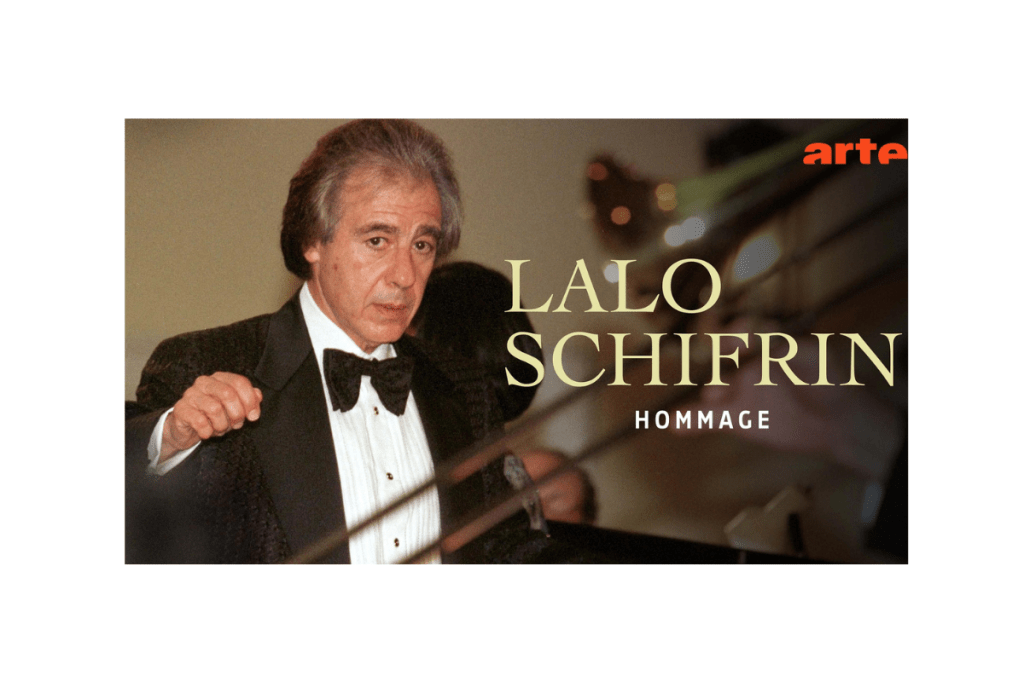
When we think of Lalo Schifrin, we don’t just think of a traditional Hollywood composer; we think of a jazz pioneer and an absolute innovator of rhythm. His unique ability to fuse the tension of modern jazz, Latin American syncopation, and the raw power of a symphonic orchestra permanently redefined the music of action and mystery cinema.
From Buenos Aires to Paris: The Roots of a Genius
Boris Claudio “Lalo” Schifrin was born in Buenos Aires, Argentina, in 1932. His father was the concertmaster (first violin) of the prestigious Teatro Colón orchestra, so he grew up surrounded by classical masterpieces. However, the young Lalo fell deeply in love with modern jazz.
In the 1950s, he moved to Paris to study under the celebrated avant-garde composer Olivier Messiaen, spending his nights playing piano in the city’s vibrant jazz clubs. Upon returning to Argentina, he formed his own big band. It was there, in 1956, that the legendary American trumpeter Dizzy Gillespie heard him play. Gillespie was so thoroughly impressed that he told him: “If you come to New York, you have a job in my band.” Lalo did not think twice; he moved to the United States, became Gillespie’s pianist and arranger, and fully absorbed the rich, complex structure of Afro-Cuban jazz.
The Golden Era: A History Through Iconic Scores
By the 1960s, Hollywood was searching for a more modern, urban, and tense musical identity. Schifrin arrived at the perfect moment to revolutionize the silver screen.
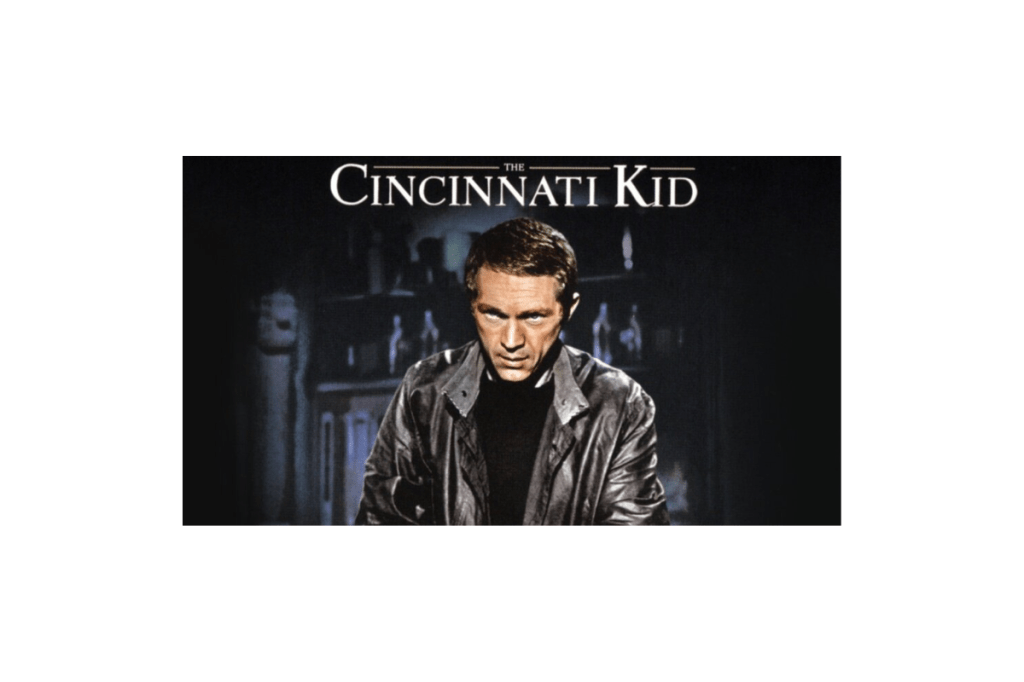
- The Cincinnati Kid (1965): One of his earliest major Hollywood breakthroughs, starring Steve McQueen. Schifrin expertly blended blues and traditional jazz to capture the smoky, high-stakes atmosphere of New Orleans poker rooms. The main theme, sung by the extraordinary Ray Charles, remains a nostalgic masterpiece.
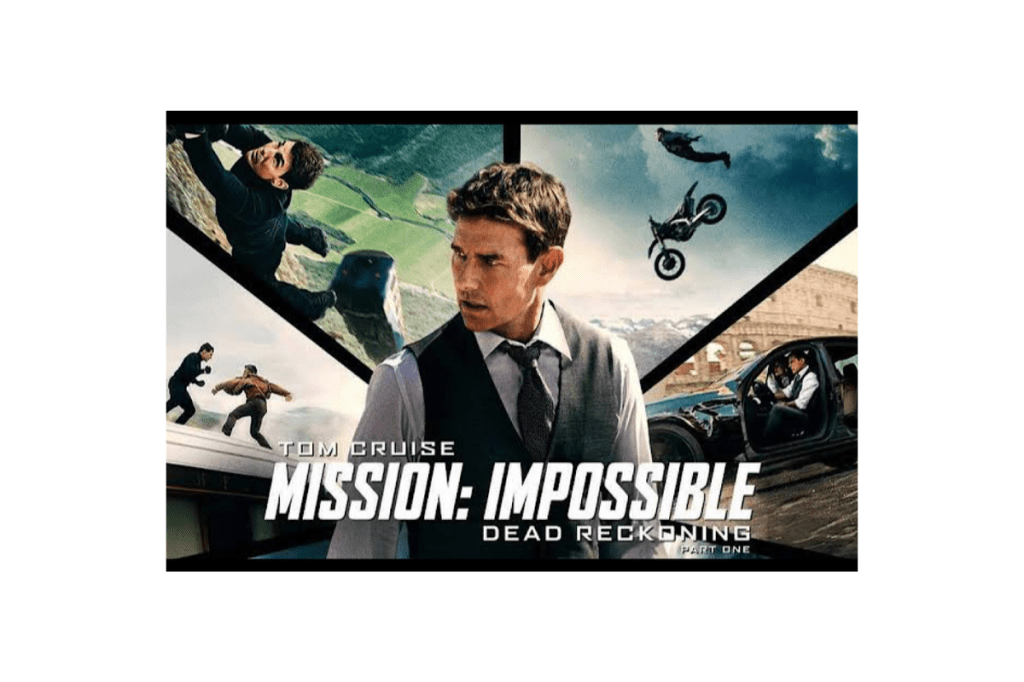
- Mission: Impossible (1966 – The TV Series): This is where Schifrin secured his musical immortality. When asked to write the theme for this espionage series, he chose to compose it in an unconventional 5/4 time signature (five beats per measure instead of the standard 4/4 pop or rock rhythm). Executive producers worried that audiences wouldn’t be able to dance to it, to which Lalo famously replied with a smile: “It’s for people who have three legs.” The relentless rhythm perfectly mimics the pulse of Morse code and the burning of a fuse, becoming one of the most recognizable themes in human history.

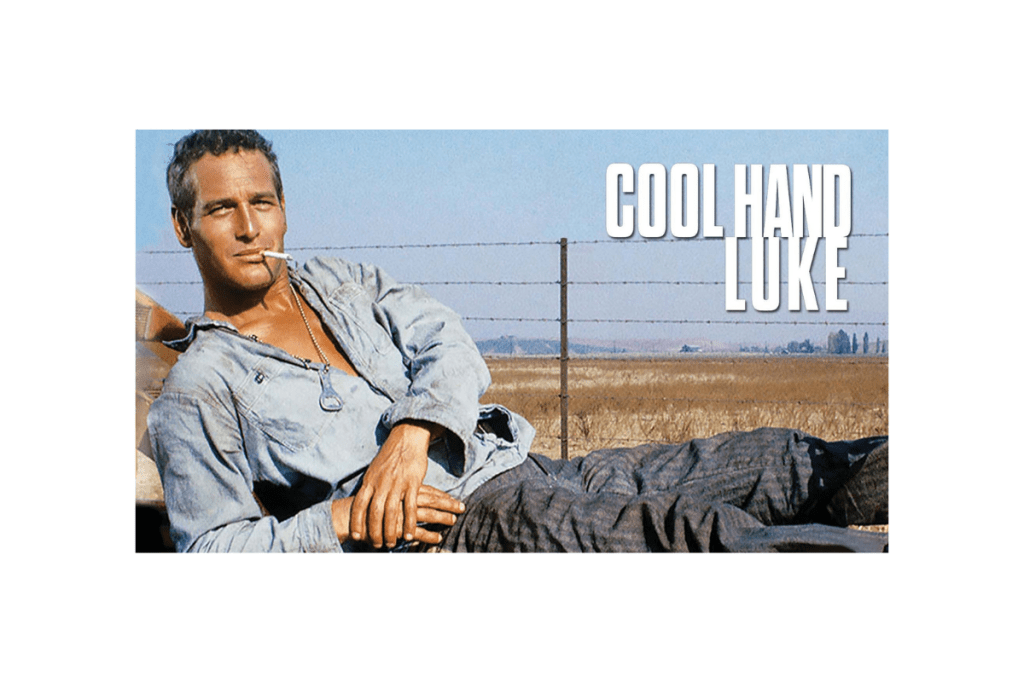
- Cool Hand Luke (1967): For this definitive Paul Newman film set in a Southern prison camp, Schifrin showcased his incredible versatility. He incorporated elements of Southern folk, using acoustic guitars and banjos to mirror both the deep melancholy and the unyielding spirit of the protagonist. Interestingly, a rhythmic section from this soundtrack (the famous “Tar Sequence”) was repurposed for decades as the signature theme for local television news broadcasts across the United States.

- Bullitt (1968): Reuniting with Steve McQueen in a film that redefined cinematic car chases. Schifrin delivered a pure jazz-fusion and funk masterpiece—cold, sophisticated, and inherently dangerous. In a brilliant creative decision, the music completely drops out during the legendary chase through San Francisco, allowing the raw roar of the engines to take center stage, but Schifrin’s score masterfully builds the unbearable tension right up to that moment.

- Dirty Harry (1971): For Clint Eastwood’s defining franchise, Schifrin abandoned traditional orchestration entirely. He utilized psychedelic bass lines, distorted guitars, and distant, almost ghostly vocal tracks to peer directly into the mind of the serial killer “Scorpio” and reflect the gritty, raw atmosphere of 1970s San Francisco. It stands as a masterclass in urban cinematic suspense.

- Enter the Dragon (1973): Bruce Lee’s ultimate masterpiece required a soundscape of equal caliber. Schifrin seamlessly combined the heavy brass section of American jazz-funk with traditional Asian instrumentation. The resulting theme was electrifying, permanently defining the sonic landscape of martial arts cinema for decades to come.
The Legendary Mystery: The Exorcist (1973)
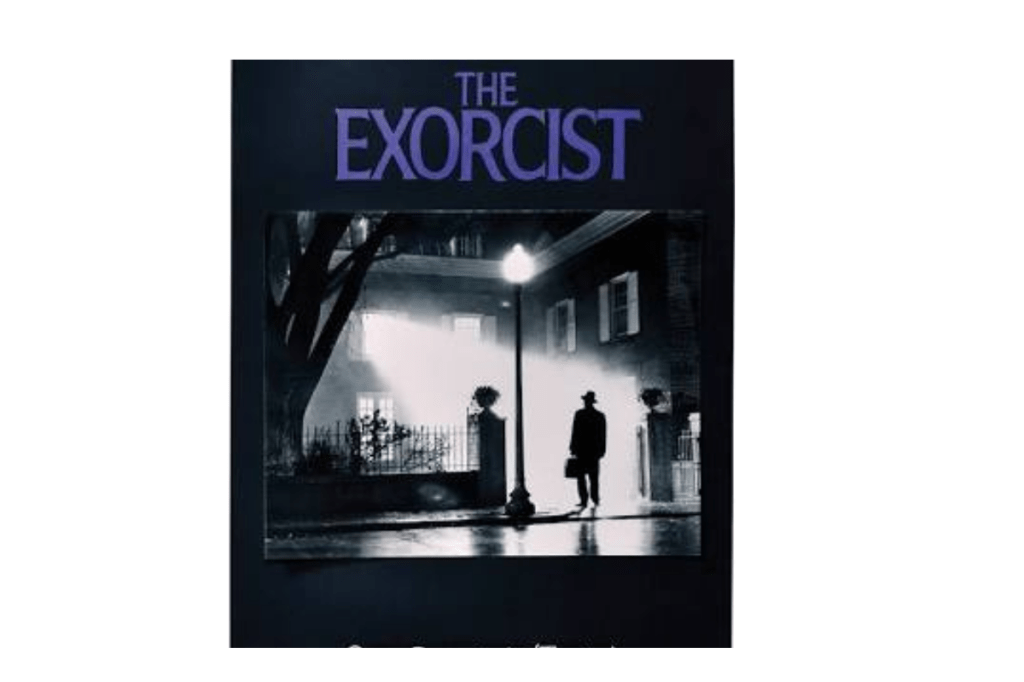
The history of Lalo Schifrin’s involvement with The Exorcist remains one of the most famous, controversial, and dramatic episodes in Hollywood lore. It was a perfect storm of executive panic, a highly volatile director, and a musical score that proved to be, quite literally, too terrifying to handle.
Director William Friedkin demanded an avant-garde, dissonant score that would induce psychological anxiety. Schifrin delivered a complex, unsettling masterpiece using distorted tubular bells and jarring orchestral textures. However, during the initial theatrical trailer, the combination of Schifrin’s music and the graphic imagery caused actual panic in theaters—spectators fainted, suffered anxiety attacks, or ran out of the auditoriums.
Terrified studio executives demanded Schifrin tone it down. When Schifrin attempted a subtler approach under studio pressure, Friedkin flew into a legendary rage. Schifrin recalled years later:
“Friedkin didn’t say a word to me directly. He marched straight into the sound booth, literally threw my master tapes out of the studio window into the parking lot, and phoned the president of Warner Bros. screaming that the music was useless.”
Friedkin famously replaced it at the last minute with a snippet from an album by a young British rock musician named Mike Oldfield: Tubular Bells, creating a horror anthem by pure historical accident. Schifrin later recovered his original score and released it independently to critical acclaim, proving it was simply a masterpiece born ahead of its time.
Other Triumphs in Terror and Suspense
Schifrin quickly vindicated himself in the horror genre with The Amityville Horror (1979). For this haunted house classic, he conceived the brilliant, macabre idea of a sweet, innocent children’s lullaby sung by real voices, underscored by razor-sharp, high-pitched violins. This stark contrast between innocence and pure evil earned him an Academy Award nomination, cementing his reputation as a master of psychological dread.
Later in his career, he returned to the genre with Amityville II: The Possession (1982), utilizing early digital synthesizers, and the creature-feature Abominable (2006), which was a joyous family affair directed by his own son, Ryan Schifrin, where a 90-piece orchestra brought the raw terror of the woods to life.
Throughout his illustrious career, Lalo Schifrin received 6 Academy Award nominations, won 4 Grammy Awards, and was rightfully honored with an Honorary Oscar in 2018 for his immense lifetime achievements. Lalo Schifrin died on June 23, 2025 at the age of 93.


Leave a comment